A Designer’s Review of the 1944 Birthday T-Shirt Design
First Impression: Classic, Warm, and Instantly Giftable
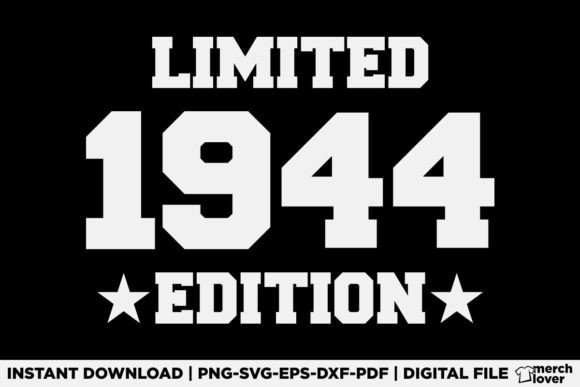
When I first look at the Limited Edition 1944 Birthday T-Shirt, I’m struck by its classic warmth. This isn’t a flashy, modern graphic; it has a timeless, celebratory personality. The layout feels balanced, and the theme is clear without being overly complex. It creates a mood of respectful celebration—perfect for honoring a milestone year. As an embroidery designer, I immediately start picturing how this would translate into stitches. The detail level suggests it would work beautifully as a medium-sized focal point on a garment or gift item. Its visual personality naturally belongs to projects meant as personalized gifts or cherished handmade products.
Where This Design Excels in Real Projects
In practical use, this embroidery design shines on certain items. Imagine preparing a custom embroidered sweatshirt for a 1944 birthday celebration. The design’s theme would center the garment perfectly, creating a thoughtful, high-value gift. I’ve found similar graphics work exceptionally well on tote bags and pillow covers—items that become keepsakes. For a small shop product or an Etsy seller offering custom birthday merchandise, this design adds immediate recognition and giftability.
It also adapts well beyond apparel. Think of a embroidered patch applied to a blanket or a baby embroidery design on a special heirloom piece for a grandparent. For holiday embroidery gifts, like a commemorative tea towel or apron, it elevates a simple item into a meaningful present. In a craft business context, using this design on a custom apparel line for milestone birthdays could build strong customer trust and engagement, as it feels professional and purpose-made.
Considering the Stitching Clarity and Final Presentation
The true test of any embroidery file is how it looks after stitching. For this design, the visual appeal hinges on stitch clarity. Areas that might use satin stitch for borders or fill stitch for solid elements need to be crisp. On a finished product, like a boutique sweatshirt, that clarity directly affects perceived value. A clean, well-stitched version of this design on a dark fabric background, with good thread color contrast, looks premium and handmade. It enhances brand consistency for a maker focusing on commemorative items. When customers see that quality, it boosts the professionalism of your craft business.
Scenarios Where You Should Proceed with Care
While versatile, this design requires thoughtful application. On very small hoop sizes, any tiny lettering or intricate details could lose definition. I’d be cautious using it on highly textured fabrics or very thin fabric without proper stabilizer, as the stitch density might cause puckering. Stretchy fabric also demands careful hooping and stabilization to maintain the design’s shape.
Applying it to curved surfaces like caps needs a test run; the layout might need slight adjustment to fit the curve gracefully. For products needing frequent washing, like kitchen towels, ensuring robust stitching with secure threads is key. On dark fabric, your thread color choice is critical—a test on scrap fabric first is non-negotiable to ensure contrast and readability. Avoid overly dense stitch areas if the base material is lightweight; sometimes simplifying the embroidery design in settings can preserve fabric integrity.
A Real-Life Project Walkthrough: The Commemorative Tote Bag
Let’s walk through a real case. I’m preparing a custom embroidered tote bag for a client’s parent celebrating a 1944 birthday. The Limited Edition 1944 Birthday T-Shirt design is my chosen centerpiece. My first step is always a test on scrap canvas fabric. I check thread color contrast against the bag’s material, review the stitch density to ensure it won’t distort the tote’s structure, and confirm my hoop size can accommodate the design comfortably. I inspect any small details in the file to see if they’ll stitch out cleanly.
I also test the look in black and white printable mockups to visualize it on the final product. Comparing how it appears on light and dark fabric backgrounds helps me decide the final thread palette. Using proper stabilizer for the bag’s fabric is essential. This process isn’t just about making a bag; it’s about delivering a personalized gift that feels premium and durable. The design’s inherent warmth makes it perfect for this application, likely creating a highly positive customer reaction.
Essential Designer Notes Before You Stitch
Before running this digital embroidery file on any project, here are my practical notes. Always, always test on scrap fabric first. This reveals how your machine handles the design and shows the final texture. Check your thread colors physically against your project fabric—screen colors can deceive. Review the implied stitch density in the file preview; if areas look very solid, plan your stabilizer accordingly.
Confirm your intended hoop size fits the design without forcing miniaturization that harms detail. Inspect any small decorative accents or lettering in the file preview; know if they’ll require precise machine setup. Use printable mockups to visualize the design on your product, especially for digital product sellers creating previews for customers. Compare the design’s appearance on light versus dark backgrounds to plan your thread strategy.
Most importantly, check the licensing terms provided with the file. You must confirm whether this machine embroidery design is cleared for commercial embroidery projects, small shop product sales, or only for personal use. Never assume. This step protects your craft business and maintains integrity with your buyers. Understanding where and how you can use this design asset is fundamental.
The Final Verdict on Value and Application
The Limited Edition 1944 Birthday T-Shirt design is a strong, gift-focused graphic. From a designer’s point of view, it offers clear value for specific niches: milestone celebrations, personalized keepsakes, and boutique commemorative merchandise. Its success in real embroidery projects depends on your thoughtful application—choosing the right base product, fabric, and stitching parameters.
When executed well, it enhances visual appeal, stitching clarity, and the overall perceived value of your finished product. It fosters customer trust because it looks intentional and professional. For makers, Etsy sellers, and creative entrepreneurs, it’s a design that can anchor a line of birthday-themed items, driving engagement from buyers seeking meaningful, handmade gifts. Approach it with a practical, tested methodology, and it will reliably become a cherished part of your project portfolio.