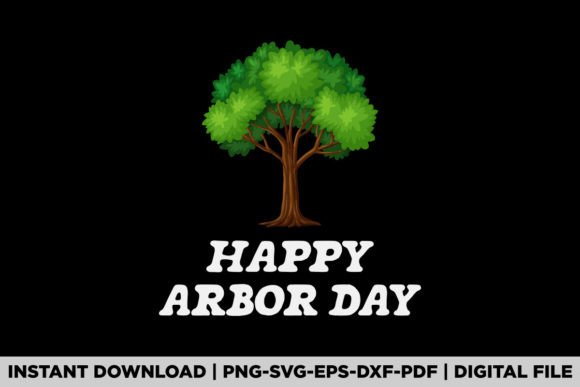
Beyond T-Shirts: Happy Arbor Day Graphics for Brand Stories
As a brand designer reviewing assets for a client's spring campaign, my first impression of Happy Arbor Day is one of warm, universal appeal. It doesn't scream "holiday-specific"; instead, it evokes a general mood of growth, care, and positive connection. This emotional tone is a powerful starting point. It feels inherently suitable for lifestyle content, handmade product branding, and casual, community-focused marketing materials. It leans towards authenticity rather than corporate stiffness, making it a candidate for brands that want to appear approachable and heartfelt.
The Versatile Mood of a Simple Graphic Design Asset
The design’s core strength is its flexibility. The emotional resonance—celebrating nature and relationships—translates across numerous audiences. For a brand owner promoting a garden kit, a content creator building a "self-care with nature" blog series, or a small business with eco-friendly products, Happy Arbor Day provides an immediate visual shorthand for these values. It influences audience perception by suggesting the brand is nurturing, positive, and family-oriented. This isn't just a t-shirt graphic; it's a brand communication tool that can build trust before a single product detail is read.
Fitting Happy Arbor Day into a Real Marketing Project
Imagine a small business launching a new line of herbal teas. The campaign needs cohesive visuals across packaging inserts, social media, and a website refresh. Happy Arbor Day could serve as a unifying decorative element. Its illustrative style could become a subtle pattern on the tea box label, a background accent in Instagram posts about "natural ingredients," and a welcoming graphic in email banners announcing the launch. This creates visual consistency, making the campaign look planned and professional, not haphazard.
Where This Creative Design Excels in Marketing Workflows
For practical use, Happy Arbor Day performs admirably in specific areas of branding and content creation. It’s excellent for social media graphics, particularly Instagram posts and Pinterest pins where mood and aesthetic are paramount. As a blog graphic or website header for seasonal content, it establishes a clear and friendly visual hierarchy. It works beautifully as a decorative element on printable promotions like event flyers for a community clean-up or as a simple graphic on digital ads for a lifestyle brand. For merchandise like stickers or as an accent in digital product visuals, it adds value without overwhelming the main message.
- Brand Identity & Packaging Design: As a secondary element, it can reinforce a brand’s connection to nature or family values on product labels or packaging design.
- Content Marketing & Editorial Design: It can be a recurring visual theme in a series of blog posts or lead magnets about gardening, mindfulness, or family activities.
- Digital Ads & Web Design: Used sparingly in email banners or as a background motif in website sections, it supports a stronger first impression and emotional connection.
Supporting Clear Marketing Goals with Professional Branding
This design asset directly supports key marketing goals. Its clean, friendly appearance contributes to a more consistent branding system across channels. When used thoughtfully, it aids in better product presentation, making a simple product photo feel part of a larger story. For audiences, it can foster an emotional connection and improved audience trust by aligning the brand with positive, universal themes. Ultimately, it helps create more memorable campaign visuals that stand out from generic stock photography.
Optimal Applications for Campaigns and Content
To maximize its value, consider using Happy Arbor Day as a hero graphic for a seasonal campaign header, especially one focused on growth, renewal, or gratitude. It's ideal for branded templates in Canva for social media covers or for creating a cohesive content bundle for bloggers. It serves well as a decorative brand element on media kits for creative entrepreneurs in the wellness or lifestyle space and as an accent on promotional banners for small business sales tied to spring or family occasions.
Points of Caution for Commercial Design Use
While versatile, this asset should be applied carefully. It may clash with formal corporate branding that requires severe minimalism. Avoid using it in dense information layouts or text-heavy ads where it could compete with the core message. Its effectiveness may diminish on small mobile graphics if detail is lost. Always test it on low-contrast backgrounds to ensure readability. For brands with an overly minimal aesthetic, it might introduce unwanted visual noise.
Practical Brand Designer Notes Before You Launch
Before integrating this graphic into any paid campaign or client work, run these practical checks. First, test it with your brand color palette—see how it looks in monochrome or when your brand colors are applied to elements. Check its black and white usage for potential print applications. Crucially, place it inside real campaign mockups: a social post, a web banner, a product label. Preview these mockups on mobile screens to test readability in small sizes.
Compare it against competitor visuals to ensure it helps you stand out. Test how it pairs with different font styles: does it balance well with a clean sans serif for a modern look, or a playful script for a handmade brand feel? Review the spacing and balance when you add your own text. Most importantly, always confirm commercial licensing if using this SVG or PNG design in commercial projects, client work, or permanent business branding. Understanding the license is fundamental for professional use.
A Final Thought on Audience and Memory
Happy Arbor Day, as a graphic design asset from the t-shirt designs category, ultimately offers more than decoration. It offers a story fragment. For brand owners, marketers, and content creators, its value lies in how you weave that fragment into your larger brand narrative. Used with strategic intention, it can attract an audience looking for warmth and authenticity, support content that needs to attract attention without looking messy, and become a subtle, recognizable part of your visual world. It reminds us that even simple illustrations, when aligned with brand purpose, can become powerful tools for clearer communication and stronger recognition.