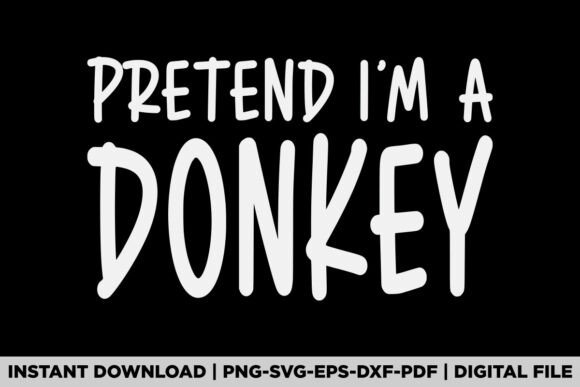
Pretend I'm a Donkey: A Versatile Graphic for Editorial Use
When a graphic design asset arrives for review, the first question is always about editorial mood. Does it set a tone that matches your content? Does it support the visual communication you need? In the case of Pretend I'm a Donkey, the immediate impression is one of playful, approachable charm. This isn't a corporate or austere piece; it's a design that instantly communicates warmth, humor, and a connection to personal celebration. For publishers crafting content around family, gifts, lighthearted lifestyle topics, or creative hobbies, this graphic establishes an inviting and relatable atmosphere.
Where This Design Fits in the Publishing Ecosystem
The description notes this design is perfect for celebrating various occasions and people. From a publisher's perspective, that translates into broad niche applicability. Think content for parents, family bloggers, gift guides, birthday features, or sites focused on casual, everyday joy. The mood is inherently lifestyle-focused and playful. It doesn't carry the gravity of a professional tutorial nor the abstraction of pure art; it feels personal and decorative. This makes Pretend I'm a Donkey a natural fit for editorial projects that require a human touch.
Concrete Uses for Your Website and Content
As a blog designer, I evaluate assets based on their utility across a real publishing workflow. Here’s where this graphic can elevate your visual content.
- Blog Featured Images & Article Headers: Use it as a central, eye-catching visual for posts about unique gift ideas, family activities, or humorous personal stories.
- Pinterest Graphics & Social Media Visuals: Its distinctive character makes it ideal for creating scroll-stopping pins and social posts, especially for gift-related affiliate content or seasonal celebration roundups.
- Newsletter Banners & Email Graphics: Incorporate it into your email design to give a newsletter about family-focused products or personal recommendations a cohesive, branded header.
- Digital Guides & Lead Magnets: A design like this can serve as a cover graphic or interior accent for a downloadable guide like "Creative Gift Ideas for Every Family Member" or "Making Ordinary Days Special."
- Category Thumbnails & Website Banners: On a site with sections for "Gifts," "Family," or "Fun," this graphic provides instant visual recognition for those categories.
- Canva Templates for Your Audience: If you create resources for your readers, this asset can be a foundational element in a template for creating their own celebration cards or social media posts.
Supporting Content Performance and Reader Trust
A polished visual system isn't just about aesthetics; it's about performance. Integrating a well-chosen design asset like Pretend I'm a Donkey into your editorial layout can lead to tangible benefits.
- Stronger First Impression: A unique graphic captures attention faster than a generic stock photo, making readers more likely to engage with your content.
- Better Click-Through Potential: On social media or in email, a distinctive, mood-setting image can improve click-through rates for your links.
- More Consistent Branding: Repeated use across blog graphics, social media, and downloadable resources builds a recognizable visual identity for your niche.
- Improved Reader Trust: Content that looks deliberately designed and thoughtfully presented appears more credible and professional.
- Clearer Visual Hierarchy: Using a strong graphic as a focal point helps guide the reader's eye through your page, improving the overall reading experience.
The Ideal Placement for This Graphic Design Asset
Based on its style, Pretend I'm a Donkey will perform best in specific roles within your content.
- Hero Images for Lifestyle Articles
- Article Thumbnails in Gift or Family Blog Categories
- Pinterest Pins Driving Traffic to Affiliate Gift Guides
- Accent Graphics in Editorial Layouts About Personal Stories
- Header Graphics for Newsletters Focused on Personal Recommendations
- Cover Art for Downloadable Printables Like Celebration Checklists
Notes on Careful Application and Publisher Testing
Every design asset has boundaries. While versatile, Pretend I'm a Donkey should be applied with consideration in certain contexts.
Use it carefully on:
- Small Mobile Thumbnails: Ensure the core detail remains clear when scaled down.
- Text-Heavy Blog Images: If overlaying lengthy text, place it strategically so the design doesn't compete with readability.
- Serious Professional Niches: It may feel out of place on sites dedicated to finance, legal advice, or corporate B2B services.
- Busy Layouts: Pair it with clean, simple surrounding elements to let its character shine.
Practical Publisher Checklist Before You Go Live
Before committing this graphic to your live content, run through this real-world testing list.
- Test it on both desktop and mobile screens to check scaling.
- Preview it as a tiny thumbnail to ensure it still captures interest.
- Drop it into a real blog post layout alongside your headline and body text.
- Check contrast and readability if you plan to overlay text directly.
- Try pairing it with different font styles: a friendly serif, a clean sans-serif, a playful script, to see what mood combination works best.
- Review the file size. For web performance, compress the image properly to avoid slowing down your page load.
- Most importantly: Confirm the commercial licensing terms. If you're using it on monetized websites, affiliate pages, or within paid digital products like eBooks, you must have the correct commercial license for this digital download.
Final Thoughts for Creative Entrepreneurs
Pretend I'm a Donkey is more than a T-shirt design; it's a flexible graphic design asset for content creators. It injects personality into blog graphics, strengthens the visual identity of a lifestyle-focused brand, and provides a ready-made solution for creating click-worthy social media graphics. For the blogger, digital marketer, or small business owner building content around family, gifts, and personal connection, this design offers a shortcut to polished, professional-looking pages that resonate with readers on a human level. It supports the storytelling, enhances the visual hierarchy, and ultimately, helps your content look as engaging as the ideas within it.