The 'Pretend I'm a Banana' Embroidery Design in Real-World Projects
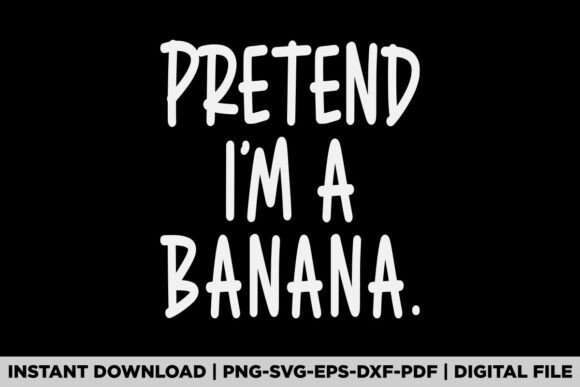
When I first saw the Pretend I'm a Banana design, I didn't just see a graphic. I immediately started picturing it stitched out on fabric. Its playful, bold statement has a unique charm that feels both humorous and heartfelt. It's not just a phrase; it's a personality captured in an embroidery file. As a designer reviewing assets for real client work and my own craft business, my first question is always: how will this translate from screen to stitch?
A Mood That Stitches Out Well
The mood here is unpretentious fun. It creates an instant, friendly connection. The design’s personality—likely relying on clean, bold lettering and a simple banana graphic—is perfect for projects that need to feel approachable and personal. It doesn't scream for attention; it invites a smile. This is the kind of visual that turns a basic custom apparel item like a sweatshirt or tee into a conversation piece. For a boutique product or personalized gift, that’s invaluable.
I imagine it on a relaxed weekend tote bag for a friend who loves quirky humor, or as a small, cheerful detail on a baby’s knit hat. It’s versatile because the sentiment is universal: a lighthearted reminder to not take things too seriously. This makes it a superb option for birthdays, as mentioned, but also for just-because gifts, or as signature merchandise for a brand with a playful voice.
Testing 'Pretend I'm a Banana' Across Real Projects
In practical embroidery situations, the success of a design hinges on its execution. For this one, considering it's categorized under T-Shirt Designs and Graphics, I'd focus on its application on apparel and everyday items.
On a sweatshirt or t-shirt, it would work beautifully as a chest or sleeve design. The key will be stitch density. A overly dense fill stitch on a stretchy cotton tee could make the fabric stiff. Using a lighter running stitch outline for the banana and satin stitch for the lettering might be a better approach if the file allows, ensuring comfort and a clean look. For a tote bag made of canvas or denim, you can be more liberal with density; the fabric can handle it, resulting in a durable, handmade product that lasts.
As an embroidered patch, this design could be fantastic. Patches are hugely popular, and this phrase has that collectible, expressive vibe. It would appeal to makers selling at craft fairs or through Etsy listings. For baby embroidery on a bib or soft blanket, I'd scale it down and ensure any small details in the banana graphic, like a stem or peel line, are clear and not too fiddly for smaller hoop sizes.
Consider also home goods: a pillow cover in a casual living space or a kitchen towel for someone who enjoys whimsical decor. The design adds value by transforming a functional item into a personalized one. For holiday gifts—think a quirky apron for a cooking-loving grandparent—it’s about matching the design's tone to the recipient's personality, which this design does effortlessly for the right person.
Where to Exercise a Little Caution
Every design has its ideal applications and its less-perfect ones. For Pretend I'm a Banana, the primary considerations revolve around scale and fabric.
On dark fabric, contrast is crucial. You'll need to check thread color choices—bright yellow for the banana, white or a light color for the text—to ensure it pops. Using proper stabilizer is non-negotiable here to prevent puckering and maintain clarity. On very thin or stretchy fabric, like a lightweight tee, the design might need resizing or a different stabilization technique to avoid distortion.
Curved surfaces like caps can be tricky. The design's layout needs to fit the cap's front panel without important elements, like the ends of the banana or text, getting lost in the curve. It's wise to test on a scrap first. Also, if the design incorporates tiny lettering or very detailed corners in the graphic, these might not stitch out cleanly on textured fabrics like some sweaters or towel material. The stitch definition could get lost.
Finally, for products that need frequent washing, like kids' items or kitchen linens, a robust stitch construction with secure trim is important. You want the humor to last through many washes, not fray after a few.
The Impact on Your Craft Business
Using a design like this in your small shop product line or for commercial embroidery projects affects more than just the item. It influences customer trust and brand consistency. If you stitch it well, on an appropriate product, it reinforces that you understand quality and pairing design with purpose.
Its visual appeal is high because it's engaging. In a printable mockup for your online store or as a finished product at a craft fair, it catches the eye and tells a story quickly. This boosts buyer engagement. The handmade presentation feels authentic because the design itself isn't overly corporate; it's suited to the personal touch of embroidery.
Giftability is a major strength. It's easy for a customer to imagine this on a gift for a specific person—a son, a daughter, a dear friend. That makes your finished product easier to sell. For Etsy sellers and digital product sellers offering the file itself, it's a design asset with clear, practical application, which is what buyers look for.
Practical Notes Before You Hoop It Up
Before running this machine embroidery design, here’s my standard review checklist, applied to 'Pretend I'm a Banana':
- Always test on scrap fabric first. Use the same material you intend for the final project. This reveals how stitch density behaves and if any details blur.
- Check thread color contrast against your final fabric background, both light and dark. Sometimes a mockup looks good, but the stitchout needs a tweak.
- Review the design in your software at the intended hoop size. Look for any potential issues with small elements that might require adjusting.
- Confirm the licensing terms. The description suggests it's for various occasions and recipients, but if you're selling the finished product or the digital file commercially, you must verify the license allows that.
- Consider the product's end-use. Is it a delicate baby blanket or a durable apron? Your stabilizer choice and stitch settings should match.
- Think about scaling. This design might shine best at a moderate size on an adult sweatshirt, but a smaller version could be perfect for a child's hat.
Embroidery is a bridge between a digital file and a tangible, emotional object. The Pretend I'm a Banana design has the raw material to cross that bridge successfully. Its strength is in its universal, playful sentiment. By pairing it with the right fabric, the right stabilizer, and the right product intention, you can create a finished product that feels genuinely special—whether it’s for your next client, your shop, or a gift for a grandpa who appreciates a good laugh.