A Designer’s Review of the Golf Club Typography Design
First Impression: Clean & Bold Golf Style
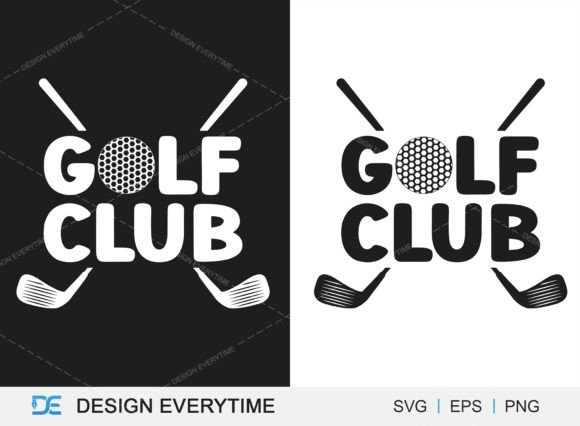
When you open the Golf Club Typography SVG Design, the first thing that strikes you is its confident, graphic presence. It’s not a fussy, overly detailed illustration; it’s a strong typographic statement built around the silhouette of a club. This creates a mood that’s sporty, classic, and slightly premium—perfect for a golf lover’s gear. The layout is balanced, with the lettering integrated into the shape, making it feel like a complete logo rather than separate elements. This visual personality suggests it belongs on items meant to be worn, carried, or gifted with a sense of pride.
Where This Design Finds Its Perfect Home
In practical terms, this embroidery file has a wide range of potential homes. I immediately pictured it stitched onto a mid-weight cotton tote bag for a golf club member—a clean, durable presentation. For custom apparel, a left-chest placement on a polo or sweatshirt would look sharp. It also has the right scale and clarity for a embroidered patch, which could then be applied to caps, jackets, or even a golf towel. Given its theme, it naturally fits personalized gifts for tournaments, father’s day, or retirement celebrations. For small shop product lines, this could become a signature design for a boutique focusing on sporty or leisure-themed merchandise.
Considering the Stitched Result on Real Products
Let’s walk through a real scenario: preparing a custom embroidered sweatshirt as a holiday gift. You’ve got a nice, heather gray sweatshirt. Using the black version of this design, you’d want to consider stitch density and thread color contrast. The solid black areas within the club head and lettering would likely use a fill stitch, while the outline details would be running stitch or satin stitch. On a textured fabric like a sweatshirt, a good stabilizer is key to keep those crisp lines. The final look would be bold and readable from a distance, which adds to the product value and customer trust—it looks professionally made, not homemade.
Handling the Design with Care: A Few Considerations
While versatile, there are situations where you’d need to plan carefully. The design has some smaller details in the lettering and club outline. On very small hoop sizes or if scaled down excessively for a baby item’s tiny sleeve, those details might lose clarity. Similarly, on very stretchy fabric or thin fabric like a lightweight t-shirt, the density of the fill areas could cause puckering without proper stabilization. Embroidering on curved surfaces like caps requires checking that the design’s width fits the cap panel without distorting the shape. Always test the design on scrap fabric first, especially if you’re working with a dark fabric background using the white version—thread contrast is everything.
The Impact on Your Business & Your Customer
Using a design like this effectively boosts your craft business appeal. It’s niche enough to attract golf enthusiasts, yet clean enough to appeal to a general audience looking for a sporty gift. For an Etsy seller or someone creating digital product previews, the provided PNG files are handy for creating printable mockups that show the design applied to products. This helps with buyer engagement immediately. The design’s strength lends itself to brand consistency if you’re a maker specializing in sport-themed items; it feels like a cohesive design asset. As a finished product, it elevates the handmade presentation because it looks intentional and well-executed.
Practical Notes from the Embroidery Hoop
Before you run this machine embroidery design, here’s my practical checklist. Since the product information lists SVG, EPS, and PNG files in black and white versions, you have flexibility. The SVG format is typically great for scaling without loss. However, confirm licensing before selling finished items or incorporating it into your own digital embroidery file bundles for commercial use. Always check stitch density in your software before hooping; some automated conversions from SVG might create very dense fills that could be tough on certain fabrics. Inspect small details like the corners of the letters and the tip of the club—make sure they’ll stitch out cleanly. Compare light and dark fabric backgrounds in your software mockup to decide which version (black or white) to use. For products needing frequent washing, like aprons or kitchen towels, consider using tougher threads and perhaps a slightly reduced density for longevity.
Final Thoughts: A Solid Design for Real Projects
This Golf Club Typography SVG Design isn’t just a graphic; it’s a ready-to-use foundation for a great embroidery project. It brings a recognizable, clean aesthetic that translates well from digital file to physical stitch. It fits naturally into the world of personalized gifts, small business merchandise, and custom apparel. Its strength is in its simplicity and bold typographic approach, which minimizes stitching issues and maximizes visual impact. As a designer reviewing it for real use, I’d confidently hoope it up for a client’s golf tournament tote bag or a series of embroidered caps for a local club. Just remember the fundamentals: test, stabilize, and choose the right fabric partner for it to shine.