Basketball Vector SVG Design: A Designer's Hands-On Review
When a new design file lands on my screen, my first question is never about the specs listed on the page. It’s about the story it tells and the stitch it will make. I’m looking at this Basketball Vector SVG Design not as a digital product, but as a potential physical artifact—something I, or my clients, will wear, carry, or gift. Let’s walk through what that actually means.
The Clean, Graphic First Impression
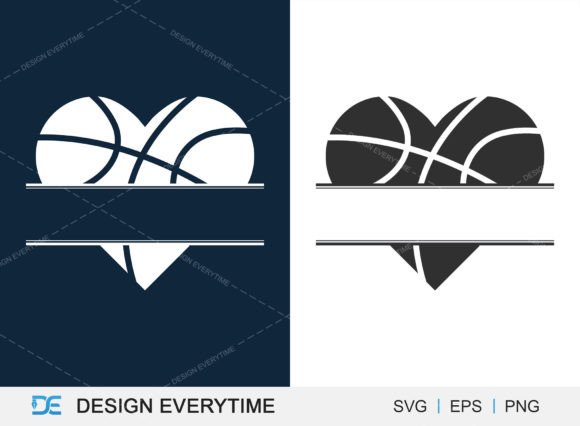
Opening this Basketball Vector SVG Design, the immediate mood is classic and confident. It’s not a frenzied, action-packed scene; it’s the iconic silhouette of the ball itself. The lines are clean, the segments are well-defined, and the overall shape is balanced. This isn’t a design shouting for attention; it’s asserting a quiet, recognizable authority. It feels like it belongs on something meant to last, not just to flash. For embroidery, that’s a promising start. A design with clear, distinct areas translates well into stitch decisions—you can imagine where a satin stitch might define a curve, or a fill stitch might anchor a panel.
Where This Design Naturally Belongs
My mind goes straight to a custom embroidered tote bag for a basketball coach. Or the left chest of a heavyweight cotton sweatshirt for a fan. The design’s graphic nature makes it a fantastic candidate for a clean, professional-looking patch, perhaps for a team’s volunteer group. Because it’s not overly detailed or fussy, it scales beautifully. I’d consider it for a baby’s nursery item—a blanket corner or a simple wall hoop decoration—where the theme is clear but the execution is soft. It’s a versatile graphic, which is its greatest strength for a crafter or small business owner. You’re not locked into one product type.
Thinking Through Real Stitching Scenarios
Let’s get practical. How does this Basketball Vector SVG Design perform when you move from the screen to the hoop? On a dark fabric, like a black cap, the white version of this vector would pop with crisp contrast. The defined lines should help prevent stitch bleeding, where details get lost. On a light fabric, like a cream-colored apron or kitchen towel, the black version would offer that classic, timeless look. For a personalized gift, say a father-and-son matching set of hoodies, this design works because it’s universally understood and carries a sense of shared interest without needing custom text.
For commercial projects, like a small shop selling team-themed merchandise or an Etsy seller offering embroidered pillow covers for sports dens, this design acts as a solid, reliable asset. Its visual appeal is in its simplicity and recognition. Customers trust a clean, well-executed emblem; it feels professional and deliberate, which elevates the perceived value of the handmade product. A messy, overly complex design can undermine that trust. This one, stitched neatly, supports it.
Where You Need to Apply Some Caution
Even with a strong vector design, real-world materials ask questions. On very stretchy fabric, like certain performance tees, the larger, filled areas of the basketball segments will need proper stabilizer to prevent puckering. If you’re thinking of a tiny hoop size for a delicate item—like a baby’s sock or a jewelry pouch—the smaller interior lines of the ball’s segments might become too fine for clear stitching. You’d need to test that scale. Similarly, on highly textured fabrics like a wool blanket, the clean lines might soften too much, losing their graphic punch. My rule is always: test on a scrap of your intended fabric first.
Also, consider the end-use. A cap has a curved surface; a design with perfect symmetry can look distorted if the hoop placement isn’t thoughtful. A tote bag that sees frequent washing needs a stitch density that can hold up. While I can’t see the exact stitch count from the file listing, these are the questions you should answer for your specific project by running a test stitch.
The Impact on Your Project and Your Business
Choosing a design like this isn’t just about decorating an item. It’s about the story your finished product tells. For a craft business, using a clear, well-made embroidery file like this Basketball Vector SVG Design contributes to brand consistency. If your shop specializes in clean, graphic sports gifts, this fits the portfolio seamlessly. It’s giftable because it’s focused and uncluttered—the recipient gets the theme immediately. For an apparel decorator, it’s a safe bet for client projects because it’s unlikely to be misinterpreted or turn out poorly if handled correctly.
It affects buyer engagement, too. In your Etsy listing or printable mockup, a design that looks crisp and professional in the photo suggests quality in the final product. This vector, presented well, can help that perception.
A Few Notes from the Embroidery Table
Before you stitch this for a client or list it in your shop, here’s my practical checklist. First, always stitch it on scrap fabric that matches your final product’s weight and texture. Check the thread color contrast—sometimes a pure white on black can be stark; a slightly softer white or a charcoal on cream might be your preference. Review the stitch density in your machine software; ensure it’s suitable for your fabric. Confirm your hoop size can accommodate the design at the size you want.
Inspect the small details in a test run. Are the tight corners stitching cleanly? Does the design hold its shape? I’d also test it in both black and white versions, even if just in software mockups, to see which aligns with your project’s mood. Crucially, check the provided file formats—SVG, EPS, PNG—for compatibility with your equipment and software. And finally, a note every digital product seller and creative entrepreneur should heed: confirm the licensing terms before selling finished items. The product description mentions formats, but the license for commercial use of the finished embroidery is a separate, vital piece of information you must have clear.
In the end, this Basketball Vector SVG Design feels like a reliable tool in the toolbox. It’s not the flashiest, but in the hands of a thoughtful maker, it can become a clean, professional, and deeply satisfying embroidered piece—whether on a custom sweatshirt, a boutique tote, or a gift for a basketball lover. Its value lies in its execution, and that’s exactly where your skill as a designer meets the digital file.